
A construction site is a lot like a complex symphony. When every instrument plays in harmony, the result is an impressive structure built on time and under budget. However, if just one section falls out of tune, the entire performance can quickly descend into chaos. In the world of commercial and residential building, poor logistics are often the hidden culprit behind massive project delays and blown budgets.
Managing a modern job site requires a difficult balancing act. Project managers must constantly juggle tight urban spaces, unpredictable supply chains, strict safety regulations, and shifting weather conditions. If materials arrive too early, they clutter the yard and risk getting damaged. If they arrive too late, expensive crews sit idle, burning through your cash.
To prevent these costly bottlenecks, you need a proactive strategy. This comprehensive guide breaks down construction logistics into four manageable phases. By focusing on smart site preparation, efficient material flow, strategic machinery management, and proper worker welfare, you can keep your next project moving flawlessly from the moment you break ground until the final handover.
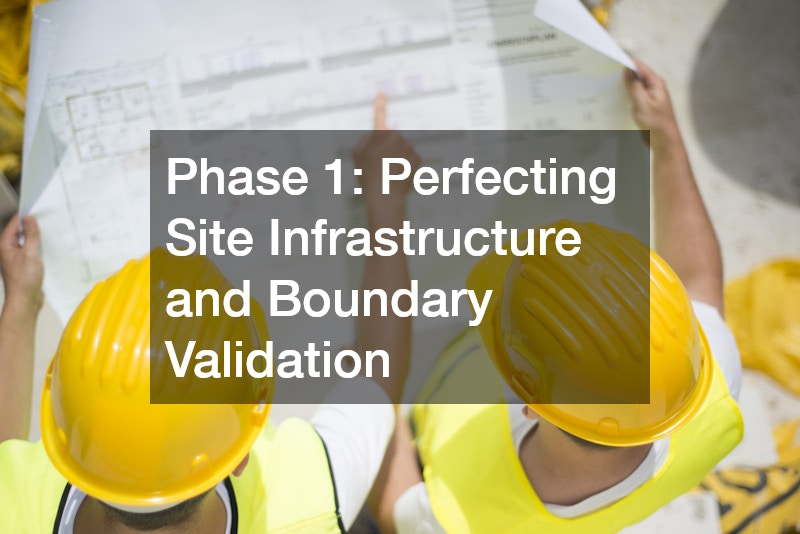
Phase 1: Perfecting Site Infrastructure and Boundary Validation
Establish Ironclad Boundaries Before Breaking Ground
Long before the first shovel touches the dirt, you must know exactly where your property begins and ends. Never rely on historical property lines, old fences, or outdated digital maps. Encroaching on a neighboring lot by even a few inches can trigger massive legal battles, expensive teardowns, and immediate project shutdowns by local authorities.
To protect your investment and avoid costly liability, you must secure accurate, professional land assessments. Ordering new construction surveys guarantees that all legal property boundaries, easements, and municipal setbacks are clearly marked. This step gives your grading and excavation teams a flawless blueprint to follow. It also helps you plan exactly where to place perimeter fencing, access gates, and temporary roads without the risk of encroaching on public or private land.
Optimizing Initial Earthmoving and Site Grading
Once your boundaries are locked in, the physical transformation of the site begins. Earthmoving and site grading lay the foundation for everything to come. If your site is not graded correctly, you will face severe drainage issues, unstable foundations, and logistics headaches later on.
To keep this phase moving efficiently, you must match your digging machinery to the specific geology and space constraints of your project. For tight urban footprints, look into compact or zero-tail-swing machinery that can work safely near existing structures. For massive open-acreage projects, large tracked machines are necessary to move tons of dirt quickly. Securing reliable excavator rentals allows you to scale your fleet up or down based on the specific phase of earthwork, ensuring you do not pay for idle machinery. Additionally, you should establish dedicated ingress and egress routes specifically for these heavy machines to prevent them from crossing paths with lighter delivery vehicles, which keeps the entire site safer and more organized.
Phase 2: Streamlining Bulk Material Sourcing and Inbound Transport
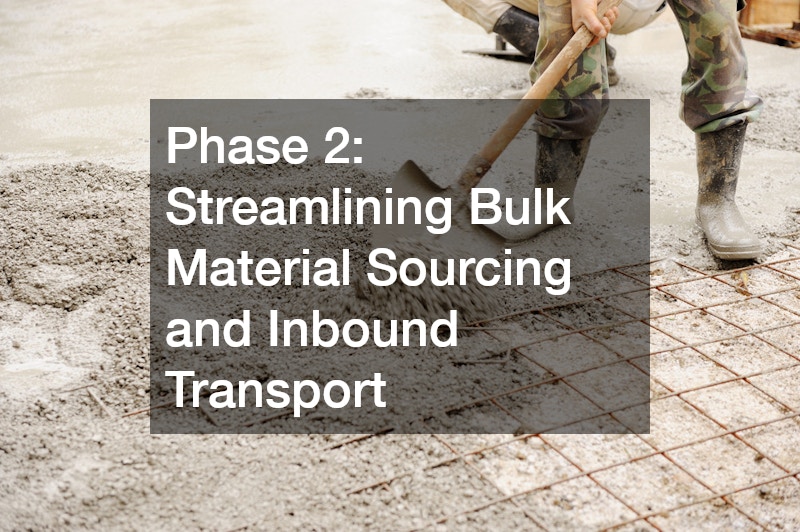
Securing Reliable Aggregate and Base Foundations
A solid construction project literally begins with a firm foundation. Before you can pour concrete or lay asphalt, you need high-quality bulk aggregates to stabilize the ground, create sub-bases, and build dependable temporary access roads. Without a steady supply of these materials, your site can quickly turn into a muddy, impassable swamp during heavy rains.
When vetting a crushed rock supplier, do not just choose the lowest bidder. Look closely at their delivery fleet capacity and their proximity to your job site. A vendor with a great price but too few trucks will consistently cause delays. It is also wise to establish a secondary backup vendor. This ensures that if your primary supplier runs into a mechanical breakdown or a supply shortage during peak seasonal demand, your project will not grind to a halt. Always document standard testing procedures to verify the aggregate compaction ratings as soon as they arrive on-site, so you know they meet engineering specifications.
Scheduling Just-In-Time Freight to Avoid Site Congestion
One of the biggest mistakes a project manager can make is allowing materials to pile up on site without a strict schedule. When piles of lumber, steel beams, and drywall arrive weeks before they are needed, they take up valuable workspace. This forces workers to constantly move materials around just to get to their work zones, which increases labor costs and risks damaging the supplies.
To combat this, implement a strict “Just-In-Time” delivery schedule for all major structural elements. Under this system, any core construction material is scheduled to arrive exactly when the crew is ready to install it.
- Use digital delivery-slot booking apps where vendors must reserve a specific 30-minute window.
- Turn away delivery drivers who arrive unannounced or outside their designated time slot.
- Create dedicated, temporary offloading zones near the main gate to keep delivery trucks from blocking internal site traffic.
- Assign a specific site coordinator to oversee the receiving dock and log every inbound shipment.
Partnering With Reliable Commercial Fleets
Getting your supplies to the job site requires more than just good scheduling; it requires the right transport partner. Many material delivery delays happen because vendors do not have the specialized trucks needed to transport oversized or heavy loads through challenging terrain.
Outsourcing your bulk shipping needs to a professional construction material hauling service solves this issue. These specialized freight companies feature a diverse fleet of dump trucks, flatbeds, and lowboys designed to transport heavy loads safely. Furthermore, their drivers are specifically trained to navigate tight, unpaved job site terrain without getting stuck or damaging property. Partnering with a dedicated hauling service allows you to calculate precise turnaround times and minimize costly driver detention fees that accumulate when trucks are forced to wait hours to unload.
Phase 3: Mastering Vertical Lifting and On-Site Material Handling

Executing High-Altitude Structural Lifts Safely
As your building begins to rise vertically, the logistics of moving heavy components become much more complex and dangerous. Lifting heavy steel beams, concrete panels, and rooftop HVAC units requires extreme precision, careful engineering, and absolute adherence to safety protocols.
Before attempting any major overhead lift, your team must conduct a rigorous rigging and weight-load analysis. Hiring an experienced crane service is essential for ensuring that these lifts are executed without incident. Professional operators know how to calculate wind speeds, ground stability, and swing radii to prevent catastrophic tip-overs.
- Set up a clear exclusion zone beneath the lift path where no workers are allowed to enter.
- Coordinate operations directly with local aviation authorities if you are working near flight paths or using massive boom heights.
- Use dedicated, closed-circuit radio frequencies to ensure clear communication between the operator and the spotter.
- Inspect all rigging hardware, slings, and shackles every morning before starting work.
Facilitating Seamless Horizontal Distribution Across the Yard
While cranes handle the vertical lifting, you still need an efficient way to move palletized goods, pipes, and crates horizontally across the job site. Walking materials across a large site by hand is slow, exhausting, and leads to worker injuries.
To keep materials flowing smoothly from the delivery gates to the active work face, you need versatile, all-terrain material handlers. Utilizing professional forklift rental services gives you access to modern machines equipped with high-flotation, foam-filled tires that can easily conquer thick mud, steep slopes, and sharp debris without popping. To maximize the efficiency of these machines, create color-coded drop zones on your site map. When a forklift operator picks up a pallet of brick or roofing tiles, they will know exactly which zone to take it to based on the color of the delivery tag, eliminating confusion and reducing travel time.
Implementing a Shared Fleet Management Strategy
On a large job site with multiple subcontractors, it is common to see a massive influx of machinery. If every subcontractor rents their own independent machines, the site quickly becomes overcrowded, fuel costs skyrocket, and machines sit idle for hours while costing you money.
A smarter approach is to implement a centralized, shared asset strategy for all heavy equipment on site. Instead of letting individual subcontractors hoard machines, manage the primary machinery pool centrally.
- Use a shared digital calendar where subcontractors must book equipment time slots in advance.
- Charge subcontractors for the exact hours they use the machinery to encourage efficiency.
- Implement mandatory pre-shift digital inspections for all operators to catch mechanical issues early.
- Set up a centralized fueling station to prevent multiple fuel trucks from wandering through the site.
By managing your heavy equipment through a unified system, you maximize machine utilization rates, reduce overall rental expenses, and significantly clear up congestion in your staging yards.
Phase 4: Prioritizing Worker Welfare, Sanitation, and Hygiene
Optimizing Decentralized Sanitation Stations for Ground Crews
It is easy to get so caught up in managing steel, concrete, and machinery that you forget about the most important asset on any construction site: the workers. A frustrated, uncomfortable, or poorly cared-for crew will never work efficiently. Providing clean, accessible, and well-maintained sanitation facilities is not just a matter of basic human dignity; it directly impacts your project’s bottom line.
If workers have to walk ten minutes across a massive site just to use the restroom, you lose hours of productivity every single day. To prevent this, strategically place standard porta-potties throughout the site. Aim for a maximum two-minute walk from any active work zone.
- Calculate the exact unit-to-worker ratios required by OSHA to maintain compliance during peak labor phases.
- Standardize a strict twice-weekly servicing and sanitization schedule with your provider to ensure cleanliness.
- Pair every restroom unit with a fully stocked, foot-pump-operated handwashing station.
- Anchor the units securely to the ground to prevent them from tipping over during severe storms or high winds.
Elevating Site Comfort for Clients, Engineers, and Executives
While standard portable restrooms are perfect for the general ground crew, large-scale projects often host a variety of high-profile visitors. Throughout the lifecycle of a build, your site will welcome property owners, financial investors, municipal inspectors, and structural engineers. These individuals often need a clean, quiet space to review blueprints, sign permits, and conduct meetings away from the mud and noise of the active work zone.
To accommodate these visitors and maintain a professional image, consider renting a premium bathroom trailer. Position these upscale, multi-stall units directly adjacent to the primary construction management trailer. These trailers offer climate-controlled interiors, running hot water, flushable toilets, porcelain sinks, and bright electric lighting. By placing these high-end facilities away from the main haul roads, you shield your guests from excessive dust and heavy machinery noise. This provides a comfortable, clean environment that leaves a positive, professional impression on everyone who inspects your project.
In addition to enhancing the overall visitor experience, providing premium bathroom trailer rentals can also help improve site hygiene and safety. These facilities are designed to meet high sanitation standards, ensuring that guests have access to clean and well-maintained restrooms. Consider also including exterior signage that directs visitors to the trailers, making it easy for them to locate the facilities without confusion. Finally, by investing in such amenities, you demonstrate your commitment to professionalism and attention to detail, reinforcing the quality and integrity of your construction project.
Conclusion
Mastering construction site logistics is not a luxury; it is an absolute necessity for any project manager who wants to survive in today’s competitive building industry. A successful build is not just about having the best blueprints or the highest-quality materials. It is about controlling the flow of everything that enters, moves around, and exits your job site.
By taking a proactive approach to site logistics, you eliminate the costly surprises that so often derail projects. Validating your legal boundaries with precision prevents devastating legal delays before you even begin. Creating a strict, just-in-time delivery schedule keeps your site clear of clutter and lowers material damage costs. Managing your machinery fleet through a shared, centralized system keeps your expenses down and your productivity high. Finally, taking care of your workforce with clean, accessible, and comfortable sanitation facilities keeps morale high and ensures your crew works hard every single day.
Do not treat logistics as an afterthought or a collection of minor details to be figured out on the fly. Instead, view logistics as the literal framework that holds your entire project together. Take the actionable tips and strategies outlined in this guide, audit your current site layout, and build a safer, more organized, and highly profitable workflow for your next project.

