
Every homeowner starts a renovation with a number in mind, and almost every homeowner ends up spending more than that number. The gap between the estimate and the final bill rarely comes from the obvious big-ticket items like cabinets or flooring. It comes from the overlooked details: permits, equipment rentals, structural surprises, and seasonal repairs that pop up mid-project. Knowing where these hidden costs tend to hide is the best way to protect your budget before the first wall comes down.

Structural Surprises Behind Walls and Under Floors
Once a contractor opens up a wall or pulls up old flooring, there is no telling what they will find until it is already a problem. Water damage, outdated wiring, or rotted framing are common discoveries that can add thousands of dollars to a project that looked simple on paper. These issues are especially common in homes over thirty years old, where materials and codes have changed multiple times since construction. If the damage extends up into the attic or roofline, you may even need to bring in roof replacement companies to assess whether the structure above is still sound.
A reputable home builder will usually flag the likelihood of structural surprises during the initial walkthrough, even if they cannot predict the exact cost. Setting aside a contingency fund of ten to twenty percent of your total budget before work begins gives you breathing room when these issues surface. Skipping this step is one of the fastest ways to watch a renovation budget spiral out of control.
Permit Fees and Inspection Delays
Many homeowners assume permits are a flat, predictable cost, but fees vary widely depending on the scope of work and local jurisdiction. Beyond the fee itself, failed inspections can trigger rework, which means paying for labor twice on the same section of a project. Delays waiting for an inspector to show up can also stall other trades, pushing the whole timeline and budget later than planned.
- Electrical and plumbing permits often require separate inspections at different project stages
- Some cities charge additional fees for expedited permit processing
- Failed inspections may require hiring a specialist to correct code violations
- Permit costs can rise mid-project if the scope of work changes
Equipment and Machinery Rentals
Bigger projects like grading a yard, installing a pool, or digging a foundation extension often require machinery that most homeowners do not own and cannot justify buying. An excavator rental can run several hundred dollars a day, and that cost climbs quickly if the job takes longer than expected due to weather or soil conditions. Fuel, delivery fees, and operator costs are frequently left out of initial estimates, which catches people off guard when the final invoice arrives.
It helps to get a firm timeline from your contractor before committing to a rental period, since daily rates are almost always cheaper than paying for unplanned extensions. Ask whether the rental company includes delivery and pickup in the quoted price, because those logistics fees are often hidden in the fine print. Planning the excavation phase around dry weather can also prevent costly delays that stretch a short rental into a much longer one.

Debris Removal and Waste Disposal
Tearing out old materials generates far more waste than most people expect, and hauling it away yourself is rarely practical for anything beyond a small cosmetic update. A dumpster rental is often the most cost-effective solution, but prices vary based on size, weight limits, and how long you need to keep it on site. Overfilling a dumpster or exceeding its weight limit typically triggers additional fees that are not always explained clearly upfront.
- Request a size recommendation based on the scope of your project, not just square footage
- Ask about weight limits before loading heavy materials like concrete or shingles
- Confirm the rental period, since extra days usually cost more than the base rate
- Check whether hazardous materials like old paint or insulation are allowed
Exterior Additions Like Porches and Decks
Adding or upgrading a porch seems straightforward until you factor in grading, drainage, and matching materials to the existing structure. What starts as a simple deck quote can balloon once the ground slopes the wrong way or the soil doesn’t compact well enough to support footings without extra excavation. Experienced porch contractors can spot issues like uneven footings or poor water runoff that a homeowner might not notice until the structure starts to settle unevenly.
Matching materials adds another layer of cost that’s easy to underestimate. Older homes with discontinued siding, brick, or trim often require custom milling or sourcing from specialty suppliers, which can add hundreds or even thousands of dollars to a project that looked simple on paper. Railings, columns, and roofing details also need to meet current local building codes, which may differ significantly from the codes in place when the original structure was built. Permits and inspections bring their own surprises as well. Many municipalities require engineered drawings for anything attached to the house, plus separate inspections for footings, framing, and electrical work if lighting or outlets are involved.
Skipping these steps to save money upfront often costs more later, since uninspected work can complicate home sales or insurance claims down the road. These corrections are far cheaper to handle during initial construction than after the porch is finished and the problem becomes visible. A footing that’s off by even an inch can translate into thousands of dollars in repair work once the structure has settled and the decking or siding needs to be removed to fix it.

Material choice also plays a bigger role in final cost than many people anticipate. Pressure-treated wood remains the cheapest option upfront, often running $15 to $25 per square foot installed, but it demands regular staining and sealing to prevent rot, splintering, and warping over time. Composite metal decking has become a popular alternative because it resists moisture damage and holds up better against sun exposure, but it can cost $30 to $45 per square foot or more, a jump that catches many budgets off guard. Beyond the decking surface itself, framing materials add another layer of cost variability.
Steel or aluminum substructures resist termites and sagging better than wood joists, but they require specialized fasteners and sometimes a different contractor skill set, which can push labor costs higher. Homeowners who skip this detail often get quotes that seem inflated until they realize the framing material changed along with the decking. Weighing the long-term maintenance savings against the initial cost helps avoid sticker shock when quotes come in higher than expected.
A wood deck might save money initially but cost several hundred dollars every few years in refinishing, while composite or metal options can go a decade or more with minimal upkeep. Running a simple ten-year cost comparison, including materials, labor, and expected maintenance, gives a clearer picture than focusing on the installation price alone.
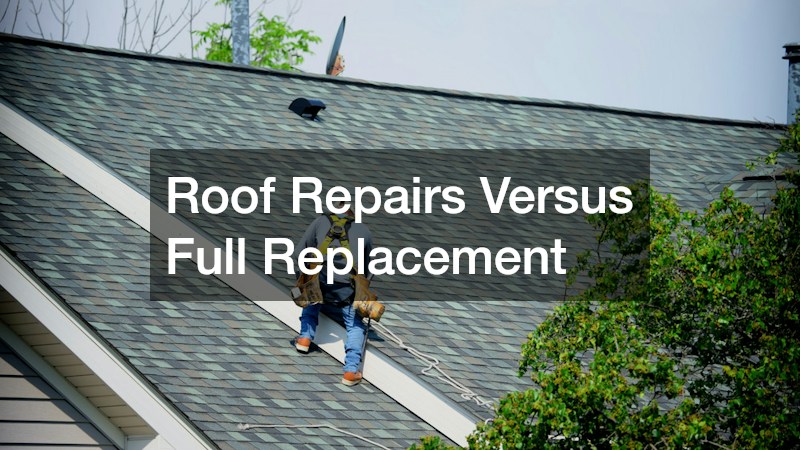
Roof Repairs Versus Full Replacement
A small leak can sometimes be patched for a modest fee, often somewhere between $150 and $400 depending on the material and accessibility. But roofs rarely fail in just one spot. Once a problem shows up in one area, there’s a good chance moisture has already traveled underneath shingles or along seams, causing damage well beyond the original trouble spot. Roofing companies frequently find additional damage once they get on the roof for an inspection, turning what looked like a simple job into a much larger one.
Flashing, underlayment, and decking issues are common culprits that are invisible from the ground. Soft or rotted decking, for instance, can add $70 to $100 per sheet of plywood replaced, and a single inspection might reveal a dozen compromised sections. Age also plays a major role in whether a roof repair makes financial sense. A roof nearing the end of its expected lifespan, typically 20 to 25 years for asphalt shingles, may only buy a year or two of extra life before another issue surfaces. At that point, homeowners often end up paying for patchwork repairs now and a full replacement later, doubling the total cost instead of budgeting for one larger project upfront.
Deciding between a patch job and a full replacement depends on the age of the roof and how widespread the damage is. A single missing shingle or a small leak around a vent pipe might only cost a few hundred dollars to fix. But once damage spreads to multiple areas, or the decking underneath has started to rot, the math shifts quickly toward replacement.
Getting multiple estimates from roofing companies before committing to a roof repair can clarify whether it makes more financial sense to overhaul the whole system now rather than pay for repeated patches over the next few years. Ask each contractor to break down labor, materials, and any costs tied to removing old layers of roofing, since these line items vary widely between bids.
It’s also worth asking how long their proposed fix is expected to last, since a cheap repair that fails again in two years isn’t actually cheap. A roof that is already fifteen or twenty years old is usually a candidate for a larger overhaul rather than another round of spot fixes. Asphalt shingles typically last 20 to 25 years, so repairs made late in that lifespan often just delay an inevitable replacement while adding to the total amount spent. Homeowners should also factor in whether recurring repairs are masking a bigger structural issue, such as poor attic ventilation or water damage that’s been spreading unnoticed for years.
- Ask for a written inspection report, not just a verbal estimate — it should detail findings, not just a bottom-line price
- Get at least two or three quotes so you can compare how different contractors assess the same damage
- Compare warranty terms between repair and full replacement options, including whether labor is covered or just materials
- Check if the warranty is transferable to a new homeowner, which can affect resale value
- Factor in the cost of temporary tarping if repairs are delayed, typically $200-$500 depending on roof size
- Ask how long tarping can safely hold before it risks further leaks or structural damage
- Request photos of any hidden damage found during inspection, such as rotted decking or mold under shingles
- Clarify whether hidden damage discovered mid-repair will trigger a change order and additional costs
HVAC Breakdowns During Renovation
Construction dust, temporary power shutoffs, and shifted ductwork can all put stress on a home’s heating and cooling system during a renovation. It is common for homeowners to discover their system needs attention right when they can least afford another expense. Scheduling AC repair before a major renovation begins, rather than waiting for a breakdown mid-project, can prevent a inconvenient and costly emergency call.
Older systems are particularly vulnerable to the vibration and dust generated by construction work nearby. A quick inspection before demolition starts can catch loose connections or clogged filters that might otherwise fail under the added strain. This small step is inexpensive compared to an emergency repair call in the middle of a renovation timeline.
Fencing and Property Boundary Work
Fencing projects often get underestimated because homeowners assume the cost is just materials and labor for the fence itself. In reality, surveying property lines, removing old fencing, and preparing uneven ground can add significant time and expense. Sourcing quality fencing supplies ahead of time also helps avoid price fluctuations that occur when materials are ordered in a rush to meet a deadline.
- Confirm property boundaries with a survey before ordering materials
- Compare pricing on wood, vinyl, and metal options early in the planning process
- Factor in disposal costs for removing an existing fence
- Ask about delivery timelines, since backorders can delay installation
Timeline Overruns and Their Financial Ripple Effect
Every delay in a renovation timeline tends to cost money somewhere, even if it is not immediately obvious. Extended equipment rentals, additional labor days, and storage fees for materials waiting to be installed all add up quickly. A project that runs a month behind schedule can easily cost several thousand dollars more than one that stays on track.
Building a realistic timeline from the start, with buffer days built in for weather and material delivery delays, helps minimize this risk. Open communication with your contractor about potential bottlenecks before they happen makes it easier to adjust plans without panic. Staying flexible on start dates for less time-sensitive portions of the project can also reduce the financial strain caused by unexpected delays elsewhere.
Hidden costs are rarely the result of bad luck; they are the result of gaps in planning that most homeowners do not know to look for until it is too late. Building a contingency fund, getting detailed quotes, and asking the right questions upfront can turn a stressful budget overrun into a manageable part of the process. Before you sign a single contract, take the time to research each phase of your project and talk to multiple professionals about what they typically encounter. That extra diligence now is the simplest way to keep your next property improvement on budget and on schedule.

