
Ever wonder why a quick ride across town can cost so little while a chartered flight or a specialty vehicle rental costs thousands more? The answer usually has nothing to do with fuel or distance and everything to do with risk. Every transportation price tag reflects the cost of insuring against accidents, injuries, and legal claims, and that hidden math shapes what consumers pay across cars, planes, trains, and buses. Understanding how liability works can help you make smarter choices when booking travel and spotting a fair price versus a red flag.
How Insurance Costs Trickle Down to Your Fare
Every transportation company carries insurance policies sized to the risk of what they operate, and those premiums get baked directly into the price you pay. A rideshare driver’s insurance costs far less than what a commercial airline pays annually, and that gap shows up in ticket prices, booking fees, and surcharges passed along to riders. Larger vehicles, higher passenger counts, and longer routes all raise the potential payout if something goes wrong, so insurers charge accordingly.
This is why two companies offering seemingly similar services can charge very different rates. A operator with a spotless safety record and modern fleet often pays lower premiums than a competitor with a history of claims, and that difference can be passed to customers as savings or absorbed as profit.
- Newer vehicles with advanced safety tech often qualify for reduced premiums
- Companies with clean accident histories negotiate better insurance rates
- High-risk routes or conditions increase what insurers charge operators
- Passenger capacity directly affects the size of potential claims
Why Chauffeured Vehicles Carry Higher Price Tags
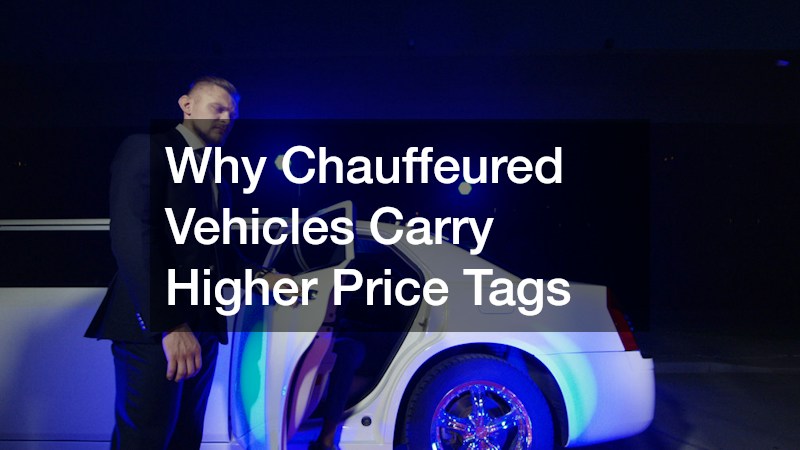
When someone books a limo for a wedding or corporate event, part of that price covers substantially more liability coverage than a standard taxi ride requires. These vehicles often transport larger groups, travel during high-profile events, and sometimes serve alcohol onboard, all of which raise the insurer’s exposure to potential claims. Operators must carry commercial auto policies with higher limits, and many carry additional umbrella coverage to protect against lawsuits stemming from accidents or injuries during service.
The driver’s training and licensing also factor into cost. Chauffeurs typically need specialized certifications and clean driving records to qualify for the coverage their employer carries, and that vetting process adds to overhead. Consumers paying premium rates for these services are essentially paying for a much deeper layer of financial protection than they would with a standard ride-hailing trip.
- Special event transportation often requires higher liability limits
- Alcohol service onboard increases insurance requirements significantly
- Professional driver vetting and training reduce claim risk over time
- Umbrella policies protect against large lawsuit settlements
Why Commercial Trucking Rates Reflect Accident Risk
The trucking industry operates under some of the strictest liability rules in transportation because of the sheer size and weight of the vehicles involved. A fully loaded semi-truck can cause catastrophic damage in a collision, and insurers price policies knowing that lawsuits involving commercial trucks often result in massive settlements. This is a major reason shipping costs and freight rates have steadily climbed over the past decade.
Federal regulations also require trucking companies to carry minimum liability coverage far exceeding what a personal auto policy provides. Companies that fail to maintain proper safety records face higher premiums or can even lose their ability to operate. These costs ultimately get passed to consumers through higher prices on shipped goods and freight-dependent services.
- Minimum federal insurance requirements for trucks far exceed personal auto policies
- Poor safety scores can disqualify carriers from affordable coverage
- Cargo value adds another layer of liability exposure
- Driver fatigue and hours-of-service violations increase claim risk
How Aviation Liability Drives Ticket and Charter Costs
Air travel involves some of the highest liability stakes in all of transportation, since accidents can result in catastrophic loss of life and property. Airlines and charter companies carry enormous insurance policies, and the premiums scale with fleet size, route complexity, and safety history. This is part of why chartering a private flight costs so much more than a commercial ticket, even though both are covered by rigorous safety standards.
When accidents or disputes do occur, the legal process often requires highly specialized knowledge to sort out fault and damages. An aviation expert witness may be brought in during litigation to explain complex technical details to a jury, from mechanical failure analysis to pilot decision-making under pressure. Their involvement adds cost to the legal system that insurers account for when setting premiums, which is part of why aviation liability coverage is priced so differently than ground transportation.
- Fleet size and route complexity influence airline insurance premiums
- Charter flights often carry different liability structures than commercial airlines
- Legal disputes after aviation accidents often require specialized technical testimony
- Safety audits and maintenance records directly affect coverage costs
What Public Transit Liability Means for Riders
Public buses, subways, and light rail systems operate under a different liability model since many are run by government entities or publicly funded agencies. These systems often have caps on how much they can be sued for, which is a significant difference from private transportation companies facing unlimited liability exposure. This is part of why fares stay relatively low compared to private alternatives, even though ridership numbers are massive.
That said, public agencies still carry substantial insurance and legal defense budgets funded through taxes and fares combined. When accidents occur, the claims process can be more complicated due to government immunity laws in some regions. Riders should understand that low fares don’t mean low safety standards, just a different funding and liability structure behind the scenes.
- Government-run transit systems often have liability caps unlike private companies
- Tax subsidies help offset insurance and legal defense costs
- Immunity laws can complicate the claims process after accidents
- Fare pricing reflects a blended public and private cost model
The next time you compare prices between a rideshare, a charter flight, or a chauffeured vehicle, remember that liability coverage is often the invisible hand setting the price. Understanding this connection can help you evaluate whether a deal seems too good to be true or whether a premium price actually reflects genuine safety and protection. Before booking your next trip, take a moment to research the company’s safety record and insurance reputation, not just the sticker price. That extra bit of research could save you money, stress, and risk down the road.

