
Remodeling a home is an exciting opportunity to improve comfort, efficiency, and aesthetics, but it’s also one of the most complex projects a homeowner can undertake. Multiple trades, overlapping schedules, and critical structural or mechanical systems can make coordination a challenge. Without a carefully planned timeline, projects can face delays, unexpected costs, or misaligned installations.
A successful remodel requires sequencing work in a logical order, starting with foundational systems and moving toward specialty finishes and outdoor features. Interior and exterior work must be coordinated, and contractors must communicate effectively to avoid costly rework. This guide provides a comprehensive timeline and actionable tips to help homeowners manage every aspect of their remodel, from early inspections to final finishing touches.
- Start With Structural and Roof Assessments
- Address HVAC and Heating Systems First
- Plan Electrical and Cooling Systems
- Interior Space Planning and Design
- Structural and Exterior Groundwork
- Outdoor Living Features
- Pest Prevention and Property Protection
- Interior Finishes and Specialty Installations
- Final Exterior Touches
- Coordination and Timeline Management Tips
Start With Structural and Roof Assessments

The first priority in any home remodel is to evaluate the structural integrity of the house, with special attention to the roof and drainage systems. These elements protect the entire home from water intrusion and structural damage, making them critical before any interior or exterior renovations begin. Neglecting roof or gutter issues early can lead to costly repairs, damage to new finishes, and delays that ripple across the entire project timeline.
Comprehensive Roof and Gutter Inspection
-
Inspect roof surfaces carefully: Look for missing, cracked, or curling shingles, worn flashing around chimneys and vents, soft or sagging areas, and signs of past leaks.
-
Check gutters and downspouts: Examine for rust, loose fasteners, clogged sections, improper pitch, or gaps that may redirect water toward foundations.
-
Assess underlayment and attic conditions: Look for water stains, mold, or structural rot that indicate hidden roof problems.
A detailed inspection provides a clear picture of what needs repair or replacement and ensures that subsequent work is built on a secure foundation.
Hiring and Coordinating a Roofing Contractor
-
Select a reputable contractor: Verify licenses, insurance, experience with similar projects, and client references.
-
Schedule evaluations and repairs early: Timing is critical to avoid delays to interior work or exterior landscaping.
-
Discuss materials and warranties: Choose roofing materials that meet your budget, aesthetic goals, and long-term durability. Confirm coverage for both materials and labor.
-
Coordinate with other trades: Ensure that gutter repair, HVAC units, and exterior systems are not obstructed or damaged during roofing work.
Working with a professional roofing contractor ensures repairs are done correctly, reduces the risk of future leaks, and aligns with building codes and local regulations.
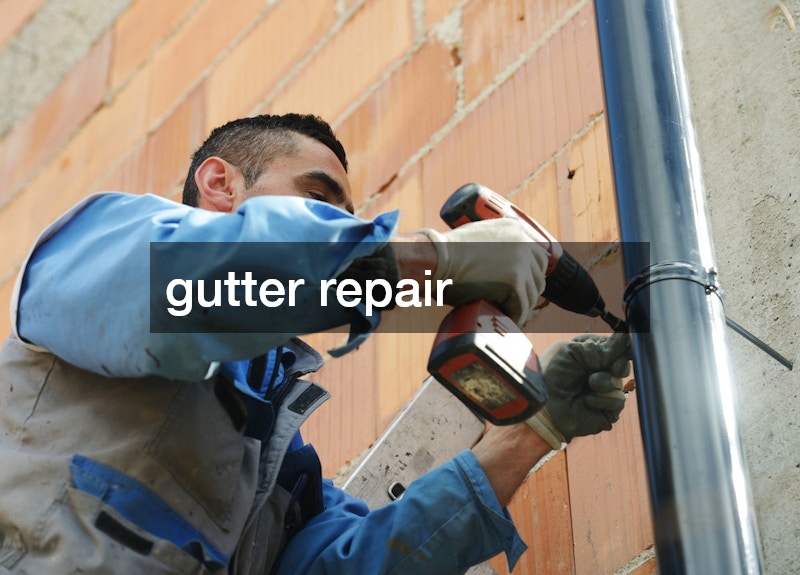
Strategic Gutter Repair and Drainage Planning
-
Ensure proper slope and alignment: Gutters must direct water away from the foundation, landscaping, and newly planned outdoor features.
-
Replace or repair damaged sections: Rusted, bent, or improperly secured gutters compromise drainage and can lead to soil erosion or water intrusion.
-
Integrate with landscaping and outdoor structures: Consider downspout placement to avoid flooding patios, walkways, or garden beds.
-
Schedule preventative measures: Install gutter guards or filters to minimize debris accumulation and reduce long-term maintenance needs.
Effective gutter planning not only protects the home’s foundation and exterior improvements but also safeguards the results of landscaping, swimming pools, and other outdoor amenities.
Documentation and Monitoring
-
Photograph before and after work: Provides a reference for warranty claims, insurance, and quality verification.
-
Maintain records of contractor communications and work orders: Helps track progress, costs, and responsibilities if issues arise.
-
Schedule follow-up inspections: Check for leaks, misalignment, or settling after heavy rain or seasonal changes.
Proper documentation ensures accountability, confirms that work meets specifications, and provides peace of mind that the remodel is built on a safe and durable structure.
Why This Step Matters
Addressing roof and gutter issues first establishes a secure foundation for all subsequent remodeling work. It prevents water-related damage to new flooring, cabinetry, and outdoor features while allowing interior and exterior contractors to work without fear of leaks or structural compromise. Early attention to these systems reduces risks, keeps the project on schedule, and ensures that investments in both interior and exterior renovations are fully protected.
Address HVAC and Heating Systems First
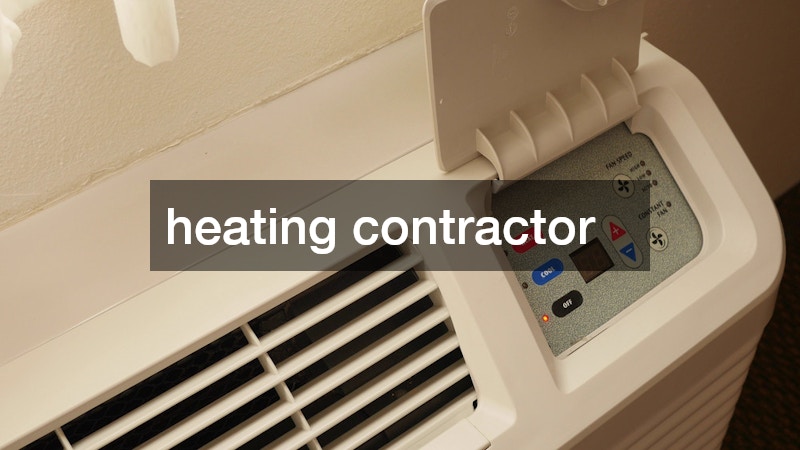
Heating, cooling, and ventilation systems are the backbone of a comfortable and functional home. Prioritizing these systems at the start of a remodel is essential because any adjustments or replacements later can be costly, disruptive, and may damage newly installed walls, flooring, or cabinetry. By addressing HVAC installation and heating upgrades early, homeowners can ensure efficient energy use, proper airflow, and room comfort while streamlining the work of other trades.
Evaluate Existing Systems
-
Conduct a full system assessment: Have a licensed professional evaluate the efficiency, capacity, and condition of your current HVAC units and heating systems.
-
Determine capacity needs for remodeled spaces: Remodels often change room sizes, layouts, or add new areas that increase heating or cooling requirements. An HVAC system sized for the original layout may struggle with these changes.
-
Check for outdated components: Old furnaces, boilers, or ductwork may not meet current energy efficiency standards or building codes. Replacement or upgrades at this stage can prevent recurring maintenance issues.
-
Inspect airflow and zoning: Uneven airflow can cause hot or cold spots in remodeled spaces, leading to discomfort and energy waste.
Proper evaluation ensures that the system you install or upgrade will be capable of meeting the home’s new requirements without unexpected limitations.
Schedule HVAC Installation Early
-
Coordinate with framing and insulation: Ductwork and vent placement should be completed before walls, ceilings, or insulation are installed to avoid rework.
-
Plan unit placement: Ensure indoor and outdoor units are positioned for optimal efficiency, noise reduction, and ease of maintenance.
-
Install ductwork and vents strategically: Consider how airflow will interact with interior spaces, including kitchens, bathrooms, and bedrooms.
-
Test functionality before finishing: Verify airflow, temperature balance, and system performance before closing walls or installing flooring.
Scheduling HVAC installation early prevents contractors from having to cut into new walls or ceilings later, which can save time and reduce remodeling costs.
Coordinate With a Heating Contractor
-
Upgrade heating systems as needed: Work with a heating contractor to evaluate and install furnaces, boilers, radiant heating systems, or baseboard units.
-
Ensure compatibility with new layouts: Changes in room dimensions or additions may require rerouting pipes or adjusting heating zones.
-
Optimize energy efficiency: Consider high-efficiency furnaces, programmable thermostats, or hybrid heating systems to reduce long-term energy costs.
-
Integrate with HVAC systems: Coordinate with HVAC installation to ensure seamless operation and consistent temperature control throughout the home.
Working closely with a heating contractor ensures that both new and existing systems are properly integrated and optimized for comfort and efficiency.
Actionable Tip: Map System Layouts
-
Avoid conflicts with cabinetry or plumbing: Ensure vents, ducts, and pipes do not interfere with kitchen cabinetry, bathroom plumbing, or appliance placement.
-
Check electrical compatibility: Coordinate HVAC and heating systems with electrical circuits to prevent overloads or future modifications.
-
Consider future upgrades: Plan layouts that allow for potential additions such as smart thermostats, additional vents, or expanded zones.
Mapping the system layout early prevents costly changes later and allows interior contractors, kitchen designers, and flooring teams to work without obstruction.
Why Prioritizing HVAC and Heating Works
Completing HVAC installation and heating system upgrades at the start of a remodel provides a solid foundation for the rest of the project. It ensures:
-
Comfort and efficiency: Each room receives adequate heating and cooling according to the remodel design.
-
Energy savings: Properly sized and installed systems operate more efficiently, lowering utility costs.
-
Coordination with other contractors: Plumbers, electricians, kitchen designers, and flooring installers can work without conflicts or rework.
-
Long-term reliability: Early attention prevents system failures after finishes are installed, avoiding damage and disruption.
By prioritizing HVAC installation and heating contractor work early in the remodel, homeowners protect their investment, streamline construction, and create a more comfortable, energy-efficient home.
Plan Electrical and Cooling Systems
Modern homes require well-planned cooling systems, including central AC units and integrated HVAC controls. Addressing these early helps prevent delays and avoids interference with interior finishes or furniture placement.
Steps to ensure efficient cooling and ventilation:
-
Service existing AC units: Hire AC repair services to inspect, clean, or repair existing units to improve efficiency and reliability.
-
Integrate with HVAC installation: Coordinate work to prevent duplication of effort and ensure ducts and vents are correctly sized.
-
Optimize zone planning: Consider room placement, thermostat locations, and energy efficiency to avoid uneven cooling.
-
Actionable tip: Conduct airflow tests before drywall installation to verify system efficiency and adjust duct layouts as needed.
Ensuring cooling systems are properly installed and serviced early in the timeline helps maintain comfort and energy efficiency throughout construction.
Interior Space Planning and Design
After mechanical systems, attention shifts to the interior layout. Kitchens and living spaces often define a home’s functionality, so detailed planning is essential. Kitchen designers are invaluable for creating efficient, stylish layouts while coordinating with other systems.
Planning steps:
-
Engage kitchen designers early: Determine cabinet placement, countertop space, and appliance locations based on workflow and room dimensions.
-
Coordinate with heating systems: Verify that radiators, vents, and underfloor heating do not conflict with cabinets or workspaces.
-
Optimize workflow: Include island placement, storage, and preparation areas to ensure efficient daily use.
-
Actionable tip: Use 3D renderings or mockups to visualize space and detect potential conflicts before construction.
This phase ensures that your kitchen and interior layout are functional, aesthetically pleasing, and integrated with mechanical systems.
Structural and Exterior Groundwork

Once interior systems are planned, focus shifts to the exterior and foundational elements. Concrete work and landscaping require coordination to prevent delays and ensure proper site preparation.
Steps to manage exterior groundwork:
-
Schedule concrete companies: Pour foundations, driveways, patios, and walkways before final landscaping.
-
Coordinate grading with landscaping: Ensure proper slope to prevent water pooling and allow plants to thrive.
-
Sequence correctly: Complete hardscapes before planting trees, shrubs, or turf.
-
Actionable tip: Allow sufficient curing time for concrete before placing heavy equipment or landscaping materials.
Proper sequencing of structural and landscaping work prevents conflicts, ensures durability, and sets the stage for outdoor enhancements.
Outdoor Living Features
Adding outdoor living amenities like swimming pools, patios, and gardens is often the highlight of a remodel. Coordination between landscaping and pool installation is essential to maintain safety and aesthetics.
Steps for seamless outdoor integration:
-
Plan pool installation early: Avoid conflicts with hardscape, grading, or underground utilities.
-
Integrate landscaping with pools: Use plants, lighting, and irrigation that complement the pool area and prevent erosion.
-
Confirm safety and permits: Ensure all zoning and safety regulations are met before construction.
-
Actionable tip: Account for maintenance access, drainage, and utility lines to avoid future issues.
Coordinated outdoor work enhances usability, protects investment, and provides a beautiful, functional space for the family.
Pest Prevention and Property Protection
Construction often exposes a home to pest risks due to open walls, soil disturbance, or standing water. Early preventive measures can reduce damage and health risks.
Steps to minimize pest problems:
-
Schedule pest control services: Treat vulnerable areas before construction starts to prevent infestations.
-
Coordinate with gutter repair: Ensure water drains properly to avoid standing water that attracts insects and rodents.
-
Identify high-risk areas: Crawl spaces, attics, and garden beds require careful monitoring.
-
Actionable tip: Plan follow-up inspections throughout construction and post-remodel to maintain a pest-free home.
Early attention to pest control protects interior finishes, landscaping, and structural elements.
Interior Finishes and Specialty Installations
With systems and structure complete, interior finishes can proceed. Kitchen cabinets, countertops, and appliances should be installed in coordination with mechanical systems to ensure function and aesthetics.
Key steps for finishing interiors:
-
Install cabinetry and countertops: Kitchen designers guide placement for optimal storage and workflow.
-
Coordinate appliance installation: Ensure AC vents, ducting, and electrical lines do not interfere with cabinets or appliances.
-
Finalize interior design details: Backsplashes, lighting, and hardware should align with room function and aesthetics.
-
Actionable tip: Double-check all clearances and levels before installation to prevent costly adjustments.
Proper sequencing ensures that interiors are visually cohesive and fully functional.
Final Exterior Touches
Once the interior is nearly complete, focus on finishing exterior elements to protect the home and enhance curb appeal.
Steps for exterior completion:
-
Install patios, driveways, and walkways: Work with concrete companies after heavy construction to avoid damage.
-
Roofing and gutter follow-up: Ensure that all exterior finishes are protected from water infiltration and weather.
-
Inspect and adjust: Check slopes, drainage, and roofline alignment with landscaping and grading.
-
Actionable tip: Conduct a detailed walk-through with contractors to identify and correct small defects before project closeout.
Finishing exterior elements last ensures longevity and maintains the integrity of all interior and outdoor improvements.
Coordination and Timeline Management Tips
Effective coordination is the backbone of any successful remodel. Sequencing multiple contractors, trades, and services requires planning, communication, and monitoring.
Best practices for managing a remodel timeline:
-
Create a master schedule: Include start and end dates for all contractors, including roofing, heating, HVAC, AC repair services, kitchen designers, concrete companies, landscaping, swimming pool company, gutter repair, and pest control services.
-
Use digital tools: Project management apps help track milestones, deadlines, and payments.
-
Communicate regularly: Weekly check-ins or site walkthroughs ensure all contractors remain aligned.
-
Prevent conflicts: Ensure contractors know the work sequence to reduce overlap or delays.
-
Maintain flexibility: Allow buffer days for unforeseen issues, especially with outdoor or specialized work.
Clear communication and proactive planning reduce stress, maintain the schedule, and help keep the project within budget.
A successful home remodel requires more than good intentions—it demands a carefully sequenced plan that coordinates interior systems, finishes, and exterior projects. Prioritizing structural and mechanical systems, integrating HVAC, heating, AC, and pest control early, and sequencing cabinetry, countertops, landscaping, and outdoor amenities ensures smooth progress and long-term success.
By following a detailed timeline and maintaining communication with all contractors such as a heating contractor or a swimming pool company, homeowners can achieve a remodel that is functional, safe, and visually appealing while avoiding unnecessary costs and delays. Proper coordination transforms the remodeling process into a rewarding, efficient, and stress-free experience.

