
The reality of property management is often a relentless, invisible juggling act. Behind every pristine lobby, smoothly running HVAC system, and sparkling amenity deck is a manager coordinating a complex ballet of maintenance schedules. It is an industry where success is defined by what doesn’t happen: pipes don’t back up, lobbies don’t look worn, and tenants don’t complain. Yet, achieving this seamless environment requires an immense amount of behind-the-scenes orchestration, especially when it comes to organizing your roster of maintenance and sanitation vendors.
Unorganized vendor management is the silent killer of property budgets. When managers operate reactively—calling in help only when something is visibly dirty or actively malfunctioning—they invite chaos. This reactionary approach leads to overlapping service windows, emergency surcharge fees, disrupted tenants, and accelerated wear-and-tear on the property’s most expensive assets. More importantly, it steals hours from your week, forcing you to constantly put out fires rather than focusing on tenant retention, asset growth, and strategic planning.
By shifting from a reactive “call when there’s a problem” mindset to a proactive, systematized vendor management strategy, property managers can fundamentally transform their operations. A well-organized vendor ecosystem extends asset lifespans, ensures strict compliance with local health and safety codes, and reclaims countless hours of administrative work.
This comprehensive guide is designed to help you regain control over your property’s maintenance schedule. We will break down how to effectively vet, schedule, and manage various categories of sanitation providers, moving from everyday janitorial teams to highly specialized seasonal experts. By the end of this guide, you will have the strategic framework needed to build a master calendar that runs like clockwork, keeping your property impeccable and your budget firmly in check.
- Conduct a Needs Assessment Before Signing Master Contracts
- Customize Schedules for High-Traffic Zones and Institutional Spaces
- Enforce Strict Compliance for Food Prep and Staff Presentation
- Schedule Seasonal Maintenance for Health, Safety, and Recreation
- Implement Preventative Upkeep for Water Management Systems
- Conclusion
Conduct a Needs Assessment Before Signing Master Contracts
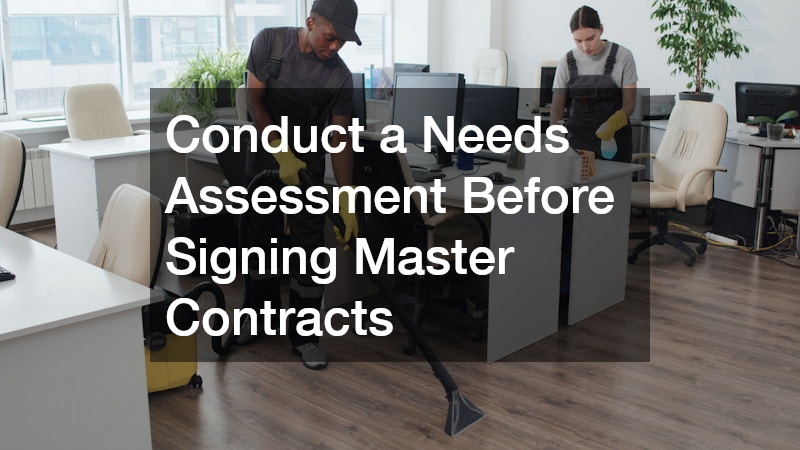
The foundation of any successful vendor management strategy begins long before a contract is signed. Your everyday janitorial team forms the backbone of your property’s presentation, and establishing this core team requires meticulous planning. Failing to conduct a thorough needs assessment often results in overpaying for baseline services or, conversely, under-scoping the work and ending up with a chronically subpar facility.
Audit Your Square Footage and Daily Foot Traffic
One of the most common mistakes property managers make is paying for uniform, daily attention across the entire property. Not all square footage is created equal. To optimize your budget, you must conduct a granular audit of your facility’s layout and foot traffic patterns.
-
Zone Categorization: Divide your property into high, medium, and low-traffic zones.
-
High-Traffic Zones: Main lobbies, public restrooms, elevator cabs, and primary entrance mats. These areas require daily, if not multiple-times-daily, attention.
-
Medium-Traffic Zones: Secondary hallways, break rooms, and shared conference spaces. These might need light daily tidying but only require deep sanitation twice a week.
-
Low-Traffic Zones: Basement storage corridors, emergency stairwells, and utility rooms. These areas might only require a bi-weekly or monthly sweep and mop.
-
-
Customizing the Scope: Once you have mapped these zones, you can customize the exact scope of work you request from commercial cleaning services. By clearly defining what needs daily attention versus monthly attention, you avoid paying premium rates for someone to vacuum an empty storage room every night.
-
Tracking Foot Traffic Adjustments: Utilize access control logs to track how people actually move through your building. If you notice a particular side entrance is being used more frequently than anticipated, you can easily adjust the service scope for that specific corridor without renegotiating the entire contract.
Draft Strict Standard Operating Procedures (SOPs) for Bidding
When you ask multiple vendors for a quote without providing a highly specific scope of work, you will receive vastly different proposals. To accurately evaluate cost versus value, you must force vendors to submit apples-to-apples bids based on your exact standards.
-
Create a Master Checklist: Detail every required task, no matter how small. Do not just write “clean restrooms.” Specify “disinfect all touchpoints, restock paper products to 100% capacity, descale toilet bowls, and damp-mop floors with neutral pH cleaner.”
-
Specify Chemical and Equipment Standards: If your property has a green initiative, explicitly state that all products must be Green Seal certified. Mandate the use of HEPA-filter vacuums to maintain indoor air quality.
-
Establish Communication Protocols: Clearly outline how the vendor should report issues. If a janitor notices a leaky faucet, what is the protocol for logging that maintenance ticket?
-
Leveling the Playing Field: By handing this rigorous SOP to commercial cleaning companies during the bidding process, you filter out the providers who cannot meet your standards. The ones who remain will submit pricing based on the exact same parameters, allowing you to make a financially sound and operationally confident decision.
Customize Schedules for High-Traffic Zones and Institutional Spaces
Scheduling is just as critical as the actual sanitation work. Even the best vendors become a liability if their presence continuously disrupts your tenants’ core operations. Mastering the schedule means coordinating disruptive or highly specialized work around the unique operational hours of your specific facility.
Time Heavy-Duty Maintenance During Off-Peak Windows
Heavy-duty maintenance often involves noisy machinery, wet floors, and strong odors—all of which are highly disruptive and potentially dangerous to tenants and visitors.
-
Understanding Curing and Drying Times: Many deep-restoration tasks require significant downtime. For example, when hiring a carpet cleaning service for expansive lobbies or long office hallways, the extraction process leaves textiles damp for hours. If foot traffic resumes too quickly, dirt will immediately wick back to the surface, rendering the work useless.
-
Strategic Weekend and Overnight Booking: Always schedule these disruptive tasks during long weekends or overnight shifts. This prevents slip-and-fall hazards and ensures that the environment is completely dry, odor-free, and safe by the time regular business hours resume.
-
Tenant Communication: Always notify tenants of off-peak work. Even if the work happens at 2:00 AM, send an email letting tenants know that a crew will be on-site. This manages expectations and prevents alarm if a late-working tenant encounters an unfamiliar crew with heavy equipment in a corridor.
-
Security Coordination: Ensure your overnight security team has the vendor’s roster. The security desk should know exactly who is arriving, what equipment they are bringing, and which zones they are authorized to access.
Implement Phased Cleaning for Calendar-Dependent Facilities
Properties with distinct operational seasons, such as educational institutions, require a highly flexible, calendar-driven approach to vendor management. A static, year-round contract will result in massive inefficiencies.
-
Aligning with the Academic Calendar: If you manage educational properties, your vendor visits must rhythmically match the flow of students. The intense, deep-sanitation tasks—like stripping and waxing VCT floors, power-washing lockers, or high-dusting gymnasiums—must be exclusively reserved for when the building is empty.
-
Leveraging Breaks for Deep Dives: Providers of school cleaning services should be scheduled for comprehensive, wall-to-wall disinfection during winter and spring breaks. This is the only time you can safely use heavy machinery in hallways without risking student safety or disrupting classes.
-
Scaling Down During the Semester: Conversely, during the active semester, the focus shifts entirely to daily health and safety: constant sanitization of high-touch surfaces, trash removal, and restroom restocking. By adopting a phased contract, you ensure that your budget is heavily weighted toward periods when deep restoration is actually possible, rather than paying for impossible deep-cleaning tasks during a busy Tuesday in October.
Enforce Strict Compliance for Food Prep and Staff Presentation
Certain vendors are deeply intertwined with the legal compliance, fire safety, and overall brand reputation of your property. Managing vendors who service commercial kitchens or staff apparel requires a zero-tolerance policy for missed deadlines and poor performance, as the stakes involve municipal fines and public perception.
Track Fire Code and Health Inspection Deadlines
Properties with on-site dining, cafeterias, or heavy-duty food prep areas carry a significantly higher risk profile. Grease buildup is one of the leading causes of commercial property fires, making the management of your sanitation schedule a literal matter of life and death.
-
Automated Calendar Alerts: You cannot rely on memory or a physical whiteboard to track compliance deadlines. Set up automated, recurring calendar alerts in your property management software for all municipal inspections.
-
The 60-Day Booking Rule: Book your kitchen exhaust cleaning at least 30 to 60 days ahead of your annual or semi-annual fire marshal inspections. These specialized crews are often booked solid, and waiting until the last minute risks vendor unavailability. If the inspector arrives and your hoods are out of compliance, you face severe fines or an immediate shutdown of the facility.
-
Documentation is Everything: Always require a post-service report that includes timestamped before-and-after photos of the ductwork and fan units. Keep a digital, easily accessible file of these certificates. When the fire marshal or insurance adjuster walks through the door, you should be able to hand them proof of compliance within seconds.
-
Coordinate with Pest Control: Grease management goes hand-in-hand with pest management. Ensure your schedules are aligned so that deep grease removal happens just prior to preventative pest control treatments, maximizing the efficacy of both services.
Centralize Uniform and Amenity Linen Management
For high-end residential towers, boutique office buildings, or hospitality-driven properties, presentation is paramount. The appearance of your staff—and the quality of the amenities you provide—directly impacts your brand’s perceived value.
-
The Problem with Fragmented Fabric Care: Often, properties allow different departments to handle their own linens. The on-site restaurant manages its tablecloths, the concierge manages their suits, and the fitness center manages its towels. This fragmentation leads to inconsistent quality, multiple invoices, and a chaotic loading dock filled with different delivery trucks.
-
Consolidating the Account: Centralize all fabric care into a single master vendor account. Negotiating a bulk contract for dry cleaning and bulk laundry reduces the number of delivery vehicles idling on your property, shrinking your carbon footprint and easing loading dock congestion.
-
Securing Volume Discounts: By bundling the concierge uniforms, maintenance polos, and fitness center towels, you gain significant leverage to negotiate volume discounts and priority turnaround times.
-
Inventory Tracking: Require your vendor to use RFID tags or barcode scanning for all high-value items (like custom staff blazers). This prevents loss and allows you to track exactly how many times an item has been processed, helping you budget for uniform replacements before garments begin to look frayed or faded.
Schedule Seasonal Maintenance for Health, Safety, and Recreation
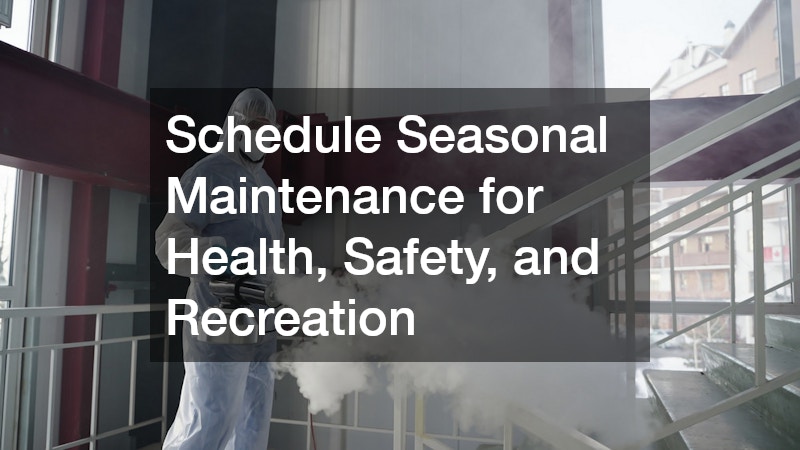
Indoor environmental quality and seasonal amenities are major factors in tenant satisfaction and retention. Managing the vendors responsible for these areas requires a proactive approach tied to the changing of the seasons, rather than waiting for a tenant to complain about the temperature or a murky pool.
Align Air Quality Checks with HVAC Filter Changes
Indoor air quality is a massive liability and a frequent source of tenant complaints, especially in older commercial buildings or sprawling multi-family complexes. Dust, allergens, and mold spores can accumulate rapidly in ventilation systems, dragging down HVAC efficiency and causing “sick building syndrome.”
-
The “Shoulder Season” Strategy: Do not treat air quality as an afterthought. The optimal time to book air duct cleaners is during the “shoulder seasons”—the mild periods in spring and fall. By clearing out the accumulated dust of winter right before you turn on the summer air conditioning, or removing summer allergens before turning on the winter heat, you maximize your system’s efficiency.
-
Synchronizing with Filter Replacements: Never schedule a ventilation scrub without simultaneously replacing all HVAC filters. Coordinating your internal maintenance staff to swap out HEPA filters on the exact same day the external vendor finishes their system scrub ensures that you are starting the season with a 100% pristine airflow system.
-
Energy Savings: Highlight the financial ROI of this practice to your property owners. Clean systems do not have to work as hard to push air through a building. Regular preventative maintenance directly translates to lower monthly utility bills and prevents premature burnout of expensive blower motors.
Automate Amenity Upkeep Based on Usage Metrics
Amenities like fitness centers, spas, and aquatic centers are massive selling points for a property, but they are also massive liabilities if not maintained to the strictest health codes.
-
Moving Beyond the “Eyeball” Test: You cannot manage recreational water features by simply looking at them to see if they are clear. You must require rigorous, documented chemical management.
-
Digital Compliance Logs: Mandate that your pool cleaning company maintains a digital, cloud-based log of their daily or weekly visits. This log must detail pH levels, chlorine/bromine parts per million, backwashing schedules, and exact filter change dates.
-
Real-Time Transparency: By having this log sync directly to a shared cloud folder, your management team has real-time transparency into the health of the amenity. If a municipal health inspector makes a surprise visit, or if a tenant claims they contracted a rash from the water, you have immediate, timestamped legal proof that the water was chemically balanced and compliant with all state health codes.
-
Automated Chemical Feeders: Invest in automated chemical dosing systems and require your vendor to calibrate them monthly. This removes the risk of human error between vendor visits, ensuring the water remains perfectly balanced even on days when the vendor is not on-site.
Implement Preventative Upkeep for Water Management Systems
Water is the most destructive force a property can face. A slow leak, a backed-up pipe, or an overflowing roof line can cause tens of thousands of dollars in damage within minutes. Managing water-related vendors is entirely about risk mitigation and staying ahead of the inevitable.
Map Out Plumbing Pinch Points for Routine Flushing
Most property managers only call a plumber when water is already flowing in the wrong direction. This reactive strategy guarantees that you will pay exorbitant emergency dispatch fees, face expensive drywall repairs, and have angry tenants.
-
Identifying the High-Risk Zones: Stop waiting for a tenant to report a backup. Every building has historical “pinch points.” These are typically ground-floor main lines, communal kitchen stacks, or the primary pipes leading away from on-site restaurants. Map these out diligently.
-
Preventative Hydro-Jetting: Once you have identified these vulnerable arteries, put them on a recurring schedule. Contract drain cleaning services for preventative, quarterly hydro-jetting. Unlike basic snaking, which just pokes a hole through a blockage, high-pressure jetting scrubs the interior walls of the pipes, completely removing scale, soap scum, and FOG (fats, oils, and grease) buildup.
-
Tenant Education: Pair this preventative vendor schedule with a tenant education campaign. Distribute clear guidelines to residents or commercial kitchens about what can and cannot be put down the disposal. Less grease entering the system means your preventative maintenance budget will stretch much further.
-
Camera Inspections: Once a year, require the vendor to perform a closed-circuit television (CCTV) camera inspection of your main sewer lines. This allows you to spot tree root intrusion or pipe bellies long before they cause a catastrophic collapse.
Create a Weather-Triggered Exterior Maintenance Plan
Exterior drainage is your property’s first line of defense against the elements. If water cannot efficiently flow off your roof and away from your foundation, it will find its way inside.
-
Ditching the Static Calendar: Base your exterior maintenance on local meteorological realities rather than random dates on a calendar. A mid-summer roof sweep does no good if your heaviest leaf fall happens in late November.
-
Strategic Seasonal Scheduling: Create a weather-triggered calendar. Schedule your exterior gutter cleaning companies to arrive precisely after the final major autumn leaf fall, and then again right before the heavy spring rainy season begins.
-
Protecting the Envelope: Overflowing roof lines lead to water pouring down the facade of your building. This causes brick spalling, rots window casings, and eventually leads to foundational pooling and basement flooding. By ensuring the upper drainage systems are entirely clear before the heavy weather hits, you protect the entire structural envelope of the building.
-
Post-Storm Protocols: Build a contingency clause into your contract for rapid post-storm deployment. If a major windstorm rips through the area, your vendor should be contracted to do a rapid sweep of the roof to remove fallen branches and debris before the next rainstorm hits, ensuring your drainage paths remain unobstructed year-round.
Conclusion
Organizing your roster of sanitation and maintenance vendors is rarely glamorous, but it is undeniably the backbone of successful property management. It is not simply about keeping the lobby floors shiny; it is a comprehensive exercise in risk management, asset protection, and operational efficiency. When you shift from a reactive scramble to a proactive, highly detailed master plan, you fundamentally change the trajectory of your property’s lifecycle.
By conducting thorough needs assessments, drafting strict standard operating procedures, and timing your services strategically around the unique operational flow of your building, you eliminate waste from your budget. Furthermore, staying ahead of seasonal shifts and water management ensures that you are protecting the structural integrity of the facility and shielding ownership from massive, unexpected repair bills.
Ultimately, a well-managed vendor roster creates a seamless, invisible experience. Your tenants will notice the pristine condition of the property, the fresh air, and the flawless amenities without ever having to think about the complex choreography happening behind the scenes.
Do not wait for the next plumbing backup or failed health inspection to get organized. Pull your current vendor contracts today. Identify where services are overlapping or falling short, assess the unique pinch points of your facility, and begin drafting a master calendar that puts you firmly back in control of your property.

